Global Pressure Builds to Reopen the Strait of Hormuz
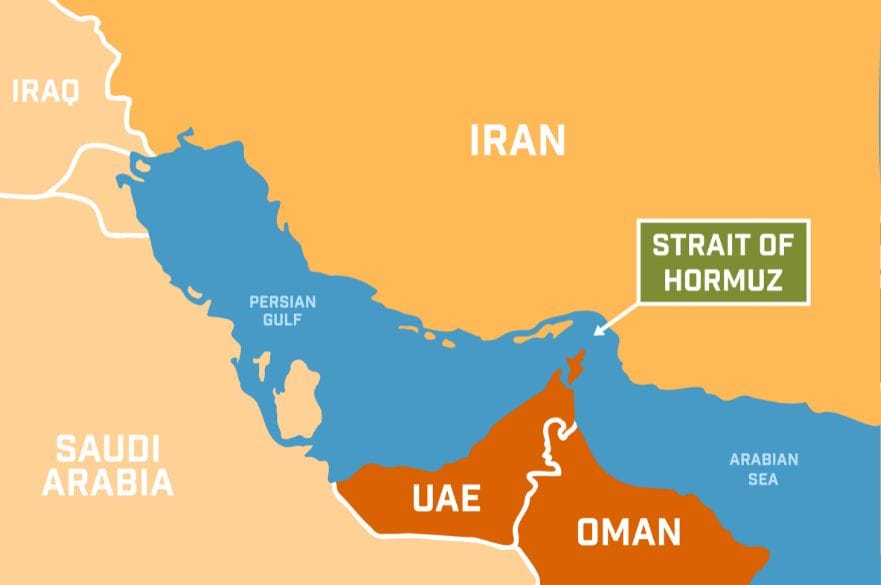
Britain rallied diplomats from 41 countries on Thursday in a coordinated effort to push for the reopening of the Strait of Hormuz, as the war involving Iran, the U.S., and Israel continues to disrupt global shipping and energy markets.
U.K. Foreign Secretary Yvette Cooper said Iran was using control over a key maritime chokepoint to inflict economic pressure far beyond the region. The talks focused on diplomatic and political options rather than direct military intervention.
Why Hormuz Matters
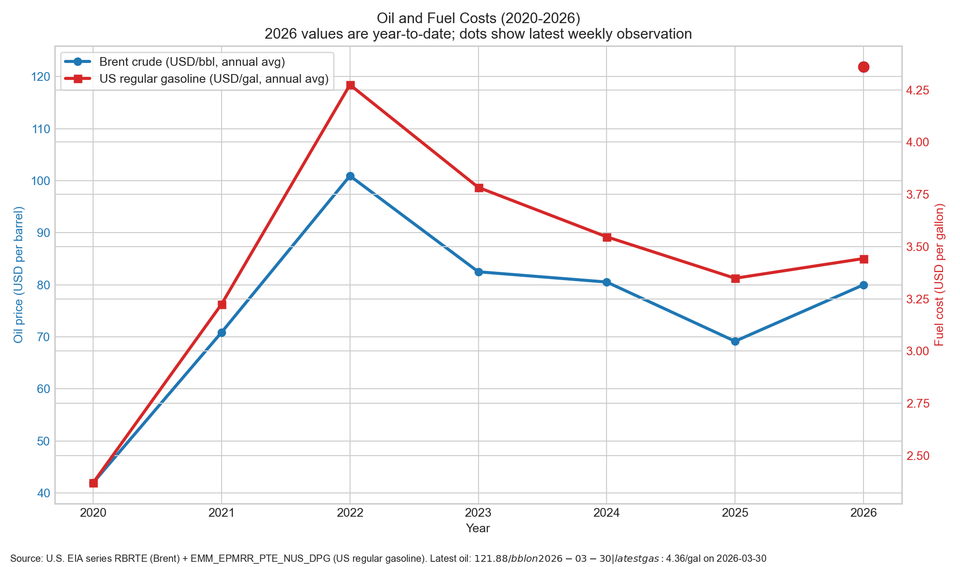
The Strait of Hormuz is one of the most important energy corridors in the world. When movement slows there, the effects ripple quickly into global fuel prices, shipping costs, fertilizer supply chains, and food inflation.
Recent maritime tracking reports indicate commercial traffic has sharply declined. Data cited by maritime analysts points to repeated attacks on vessels and mounting risks for crews, with thousands of ships and seafarers now affected by the broader conflict environment.
No Immediate Military Solution
Despite rising urgency, major governments appear reluctant to force passage while combat operations continue and maritime threats remain high. Iranian anti-ship capabilities, drones, fast-attack craft, and mines make any immediate military reopening attempt highly risky.
French President Emmanuel Macron called a force-first approach unrealistic under current conditions and argued that any sustainable reopening would likely require negotiations tied to a broader ceasefire framework.
Europe Steps Forward as U.S. Steps Back
The U.S. did not participate in Thursday’s virtual meeting. That absence comes amid renewed remarks from President Donald Trump that securing Hormuz is not primarily Washington’s responsibility.
In response, European powers are increasingly positioning themselves as organizers of multinational post-conflict maritime security plans. British officials said military planners from multiple countries are expected to meet next week to discuss post-war shipping protection, including possible mine-clearing and escort frameworks.
What Comes Next
- Increasing diplomatic pressure on Tehran
- Tightening economic leverage to limit strategic gains from disrupted shipping
- Building a multinational maritime security architecture for the period after major fighting subsides
For now, markets and shipping companies remain in wait-and-risk mode, with global consumers already absorbing the early costs through higher fuel and food prices.