One Barrel, Many Markets: Why Oil Pricing Drives More Than Gasoline
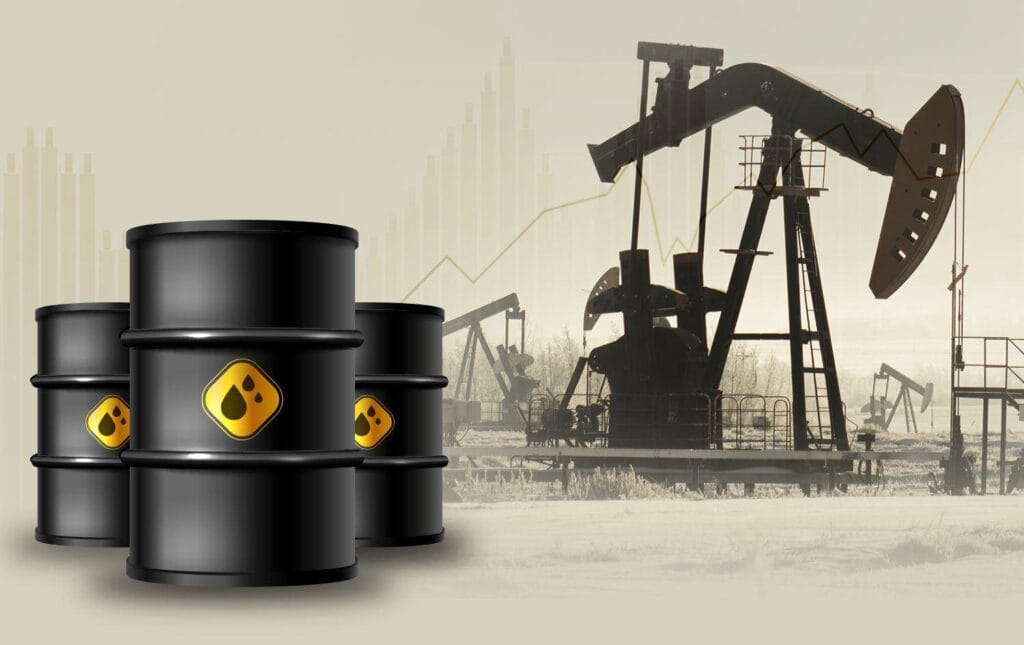
When investors talk about “the price of oil,” they’re usually talking about a 42-gallon barrel of crude. But the real investing story starts after refining.
A single barrel doesn’t become one fuel. It is split into a diversified product stream that powers transportation, industry, and petrochemicals:
- ~19–20 gallons gasoline
- ~11–12 gallons diesel/distillate
- ~4 gallons jet fuel
- Plus LPG, heavy fuel oil, asphalt, and petrochemical feedstocks
Because of refinery processing gain, total output can reach roughly 44–45 gallons of products from one 42-gallon crude barrel.
What this means for investors
Crude is only the first input cost. End-user fuel prices and downstream earnings are shaped by multiple layers:
- Crude feedstock price
- Refining margin (the crack spread)
- Distribution and logistics costs
- Taxes and regulation
- Retail margin
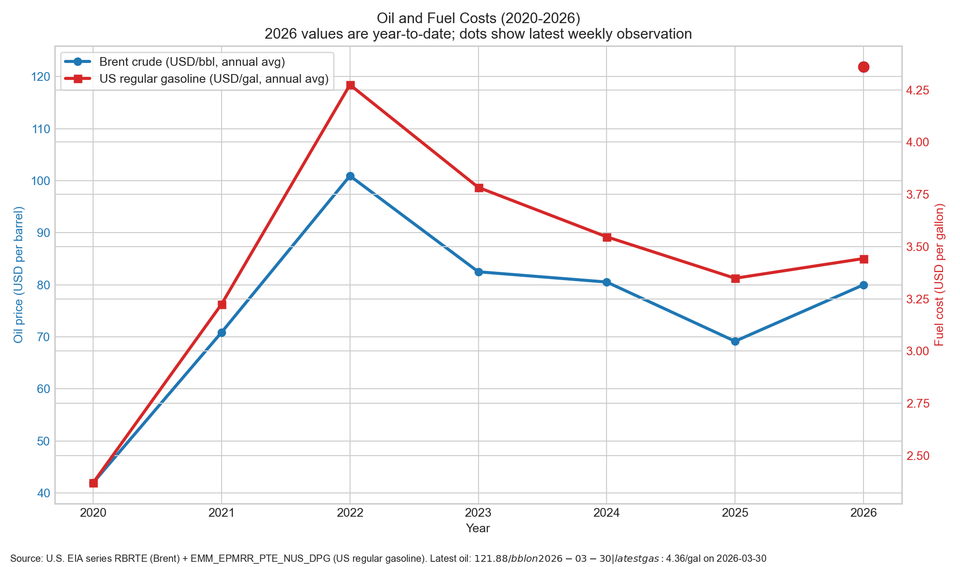
That’s why two things can be true at once: oil can dip while pump prices stay sticky, or crude can rise while certain refiners still outperform due to favorable product mix and margin conditions.
Portfolio lens
For investors, the key is not just “up or down in oil,” but where margin power sits in the chain: upstream producers, refiners, midstream transport, or end-market distributors. Watching product yields and crack spreads can be more informative than headline crude moves alone.
Data note: figures are approximate U.S. average refinery yields and can vary by crude quality, refinery configuration, and seasonality.